
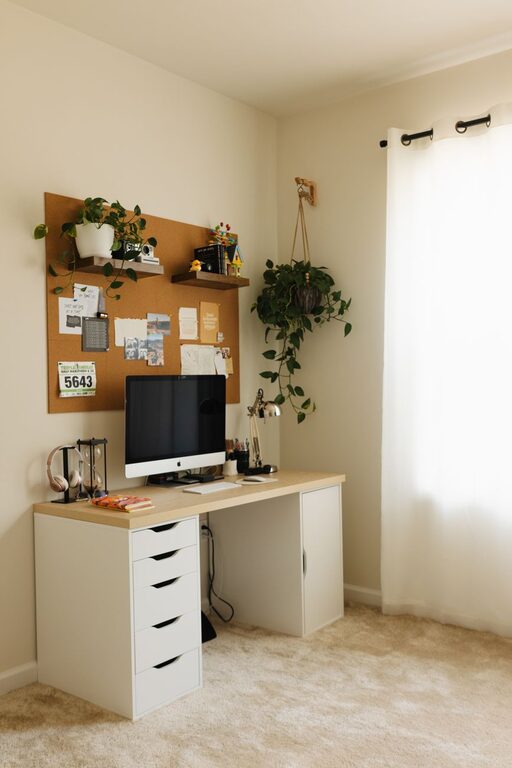
Creating a productive home office space is essential for anyone working remotely or managing tasks from home. A well-designed workspace can improve focus, increase motivation, and reduce stress. Whether you have a dedicated room or a small corner in your living area, thoughtful planning can transform your space into an efficient and inviting environment. Here are practical tips to help you create a home office that supports your productivity.
Choose the Right Location
Consider Natural Light
Whenever possible, position your workspace near a window. Natural light helps reduce eye strain, improves mood, and keeps you alert throughout the day. If natural light is limited, invest in good-quality artificial lighting to brighten your area without causing glare on your screens.
Minimize Distractions
Select a quiet spot in your home away from high-traffic areas. This helps you maintain concentration and minimizes interruptions. If your home tends to be noisy, consider noise-cancelling headphones or soundproofing solutions like thick curtains or rugs.
Invest in Ergonomic Furniture
Select a Comfortable Chair
An adjustable ergonomic chair supports good posture and reduces discomfort during long work hours. Look for chairs with lumbar support, adjustable height, and armrests.
Use a Suitable Desk
Choose a desk with enough surface area for your computer, documents, and other essentials. Height should allow your arms to rest comfortably at a 90-degree angle while typing. Standing desks or adjustable sit-stand desks can offer flexibility to change positions throughout the day.
Keep Technology Organized and Efficient
Set Up Essential Equipment
Choose reliable hardware such as a desktop or laptop, monitor(s), keyboard, and mouse that suit your work needs. Using a second monitor can increase productivity by making multitasking easier.
Manage Cables and Accessories
Organize cables with clips, sleeves, or under-desk trays to keep your space tidy. Clutter-free areas reduce stress and help maintain focus.
Optimize Your Workspace Layout
Arrange for Easy Access
Keep frequently used items like notebooks, pens, and chargers within arm’s reach. This reduces distractions caused by searching for tools during work sessions.
Personalize Thoughtfully
Add elements such as plants, artwork, or a comfortable rug to make your office inviting. Personal touches increase comfort but avoid overcrowding your workspace.
Establish Efficient Storage Solutions
Use Shelves and Drawers
Incorporate storage units to file documents and store supplies. Using vertical space with shelves can maximize the area without cluttering your desk.
Declutter Regularly
Set a routine to clear unnecessary papers and items from your work area. Maintaining organization enhances clarity of thought.
Enhance Focus and Well-being
Implement a Routine
Designate regular working hours and stick to a schedule. Consistency helps build productive habits.
Take Breaks
Use short breaks to stretch, hydrate, or walk around. This can refresh your mind and prevent fatigue.
Control Indoor Air Quality
Keep your space well-ventilated with fresh air circulation or use an air purifier. Good air quality supports alertness and overall health.
Use Technology to Your Advantage
Utilize Productivity Tools
Apps for task management, calendar organization, and time tracking can help you stay on track with deadlines and priorities.
Limit Digital Distractions
Consider settings to mute non-urgent notifications during work hours. Keeping your phone and social media in check helps maintain concentration.
Maintain Work-Life Balance
When your home doubles as your office, it’s important to create boundaries. Use room dividers or visual cues to separate work and relaxation zones. When the workday ends, shut down your computer and clear your workspace to signal the transition to personal time.
—
Designing a productive home office space takes attention to both comfort and functionality. By choosing the right location, investing in ergonomic furniture, organizing efficiently, and managing distractions, you can create an environment that supports your best work. Remember, your workspace is a place that motivates and energizes you—make it one you enjoy spending time in.